Learn about important developmental milestones in children, what to expect at different ages, and when professional guidance may be helpful.
Introduction
Every child develops at their own pace. From a baby’s first smile to a toddler’s first words and a child’s growing independence, each stage brings new skills and exciting changes.
Understanding developmental milestones can help parents recognize how their child is progressing across areas such as communication, movement, learning, social interaction, and daily activities.
Milestones are useful guides—not strict deadlines. Children may reach individual skills at slightly different times.
What Are Developmental Milestones?
Developmental milestones are skills that most children gradually develop during a particular age range. They can include:
- Communication: responding to sounds, using words, expressing needs
- Social skills: interacting with parents and other children
- Motor skills: sitting, walking, running, holding objects
- Cognitive skills: learning, problem-solving, remembering
- Self-help skills: eating, dressing, and completing simple tasks
Looking at these areas together gives parents a broader picture of their child’s development.
Why Are Developmen tal Milestones Important?
Tracking milestones helps parents understand their child’s strengths and identify areas where additional support may be useful.for example, if a child is having difficulty with communication, movement, social interaction, or everyday activities, discussing these concerns with a qualified professional can help parents understand the next steps. Babblz India offers developmental screening and a range of child development services, including speech therapy, language therapy, occupational therapy, early intervention, and behavioural support.
Infants
During the early months, babies begin developing social responses, movement, communication, and sensory awareness. Smiling, responding to sounds, reaching for objects, and gradually gaining control over movement are examples of skills parents may observe.
Toddlers
Toddlers typically become increasingly mobile and communicative. They may begin using more words, following simple instructions, interacting with others, and developing greater independence.
Preschool Children
At this stage, children continue developing language, coordination, social skills, imagination, and problem-solving abilities. They may also become more independent with everyday routines.
School-Age Children
Children continue building communication, academic, social, emotional, motor, and self-management skills. Differences may become more noticeable when children are expected to participate in structured learning and group activities.
Development Across Different Age Groups
Tracking milestones helps parents understand their child’s strengths and identify areas where additional support may be useful.for example, if a child is having difficulty with communication, movement, social interaction, or everyday activities, discussing these concerns with a qualified professional can help parents understand the next steps. Babblz India offers developmental screening and a range of child development services, including speech therapy, language therapy, occupational therapy, early intervention, and behavioural support.
When Should Parents Seek Guidance?
A developmental concern does not automatically mean that something is wrong. However, if you notice persistent difficulties or feel that your child is struggling to develop certain skills, it can be helpful to discuss your concerns with a qualified professional.
Early identification can help families understand a child’s needs and explore appropriate support when required. Babblz India also provides developmental screening and early intervention services.
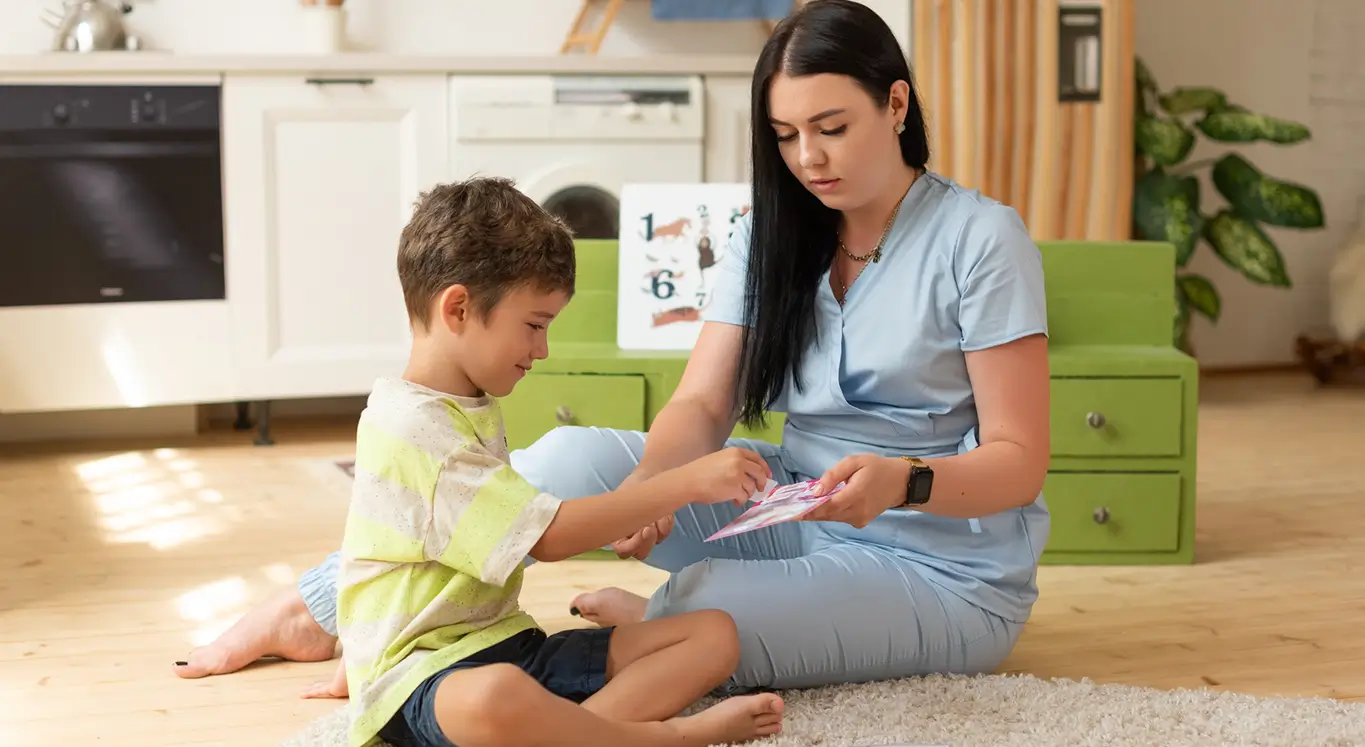
Every Child Has Their Own Journey
Development is not a race. Two children of the same age can have different strengths and may reach milestones at different times.The goal is not to compare children, but to understand their individual development and provide support where needed.At Babblz India, the approach emphasizes individualized care and collaboration with parents and professionals to support each child’s developmental journey